FinCEN has published its Iran-related illicit finance whistleblower bulletin in Arabic, Farsi, Hindi, Mandarin, Russian, Spanish and Turkish. The translations create no new obligations, but they widen the pool of people who can report, which is why sanctions and AML teams should understand the shift.
FinCEN translated its Iran-related illicit finance whistleblower bulletin into Arabic, Farsi, Hindi, Mandarin, Russian, Spanish and Turkish, alongside the English original issued September 10, 2026.
The FinCEN Iran whistleblower bulletin is now available in seven languages beyond English: Arabic, Farsi, Hindi, Mandarin, Russian, Spanish and Turkish. The original bulletin was issued on September 10, 2026 in support of Operation Economic Outcast, Treasury's campaign against Iran-related illicit finance. No new rule was created here and no one's legal obligations changed. What changed is reach. A potential whistleblower in Istanbul or Dubai can now read what FinCEN is asking for, and how to submit it, in their own language rather than through an English-speaking intermediary.
The translations impose no new compliance obligations on banks, MSBs, fintechs or other regulated businesses.
That matters because whistleblower programs are only as useful as the information that reaches them. The most valuable information about sanctions evasion rarely sits in the United States. It sits with a former employee, an accountant or a shipping clerk in the jurisdiction where the conduct happens. A bulletin published only in English quietly narrows the pool of people able to act on it.
A whistleblower submission to FinCEN is separate from an institution's suspicious activity reporting duties, and neither satisfies the other.
Key Takeaways
- FinCEN translated its Iran-related illicit finance whistleblower bulletin into Arabic, Farsi, Hindi, Mandarin, Russian, Spanish and Turkish, alongside the English original issued September 10, 2026.
- The translations impose no new compliance obligations on banks, MSBs, fintechs or any other regulated business. They expand who can understand and use the reporting channel.
- A whistleblower submission is not a suspicious activity report. They are separate channels, neither satisfies the other, and any monetary award is discretionary and subject to legal requirements.
Monetary awards are discretionary and subject to legal requirements; a tip creates no entitlement.
What Did FinCEN Announce?
FinCEN released translated versions of its whistleblower bulletin on Iran-related illicit finance in Arabic, Farsi, Hindi, Mandarin, Russian, Spanish and Turkish. The English-language original, dated September 10, 2026, remains the reference version. The purpose is to make the same reporting instructions accessible both to readers in the United States who speak those languages and to readers abroad, which is where the wider compliance implication sits.
The practical response is a risk-based review of sanctions exposure, counterparties, monitoring, training and escalation records.
Read the language list and you see a map of where FinCEN expects useful information to exist: the payment corridors, trading hubs, intermediary jurisdictions and diaspora communities that recur in Iran-related financial crime typologies.
Understanding Operation Economic Outcast
Operation Economic Outcast is a U.S. Treasury initiative directed at Iran-related illicit financial activity. According to FinCEN and Treasury, it brings together financial intelligence, sanctions designations, BSA reporting, law enforcement information and public-private sharing to identify and disrupt the networks that move and obscure Iranian funds. The whistleblower bulletin is one channel inside that effort, and it is the one aimed at individuals rather than institutions.
Three things tend to get blended in commentary and should be kept apart: the initiative, which is a coordination and enforcement campaign; the bulletin, which is public guidance on what FinCEN wants to hear about and how to submit it; and existing legal obligations under the Bank Secrecy Act and OFAC sanctions rules. Only the third creates duties, and those duties predate this announcement.
Why This Matters for AML and Sanctions Compliance
For a bank, money services business, fintech, payment processor or crypto business, no checklist item was added. Three things did shift.
Third-party risk and international intermediaries
Most sanctions-evasion exposure arrives through a counterparty, agent or introduced customer rather than a directly designated party. When the reporting channel is easier to use, information about those relationships is more likely to surface, sometimes from inside the counterparty itself. Documented third-party due diligence becomes more valuable, not less. Activity routed through multiple institutions and trading companies can look unremarkable at each step, and a whistleblower report tends to arrive as a narrative about the whole chain, which is precisely the view a single institution lacks.
Screening and beneficial ownership remain the floor
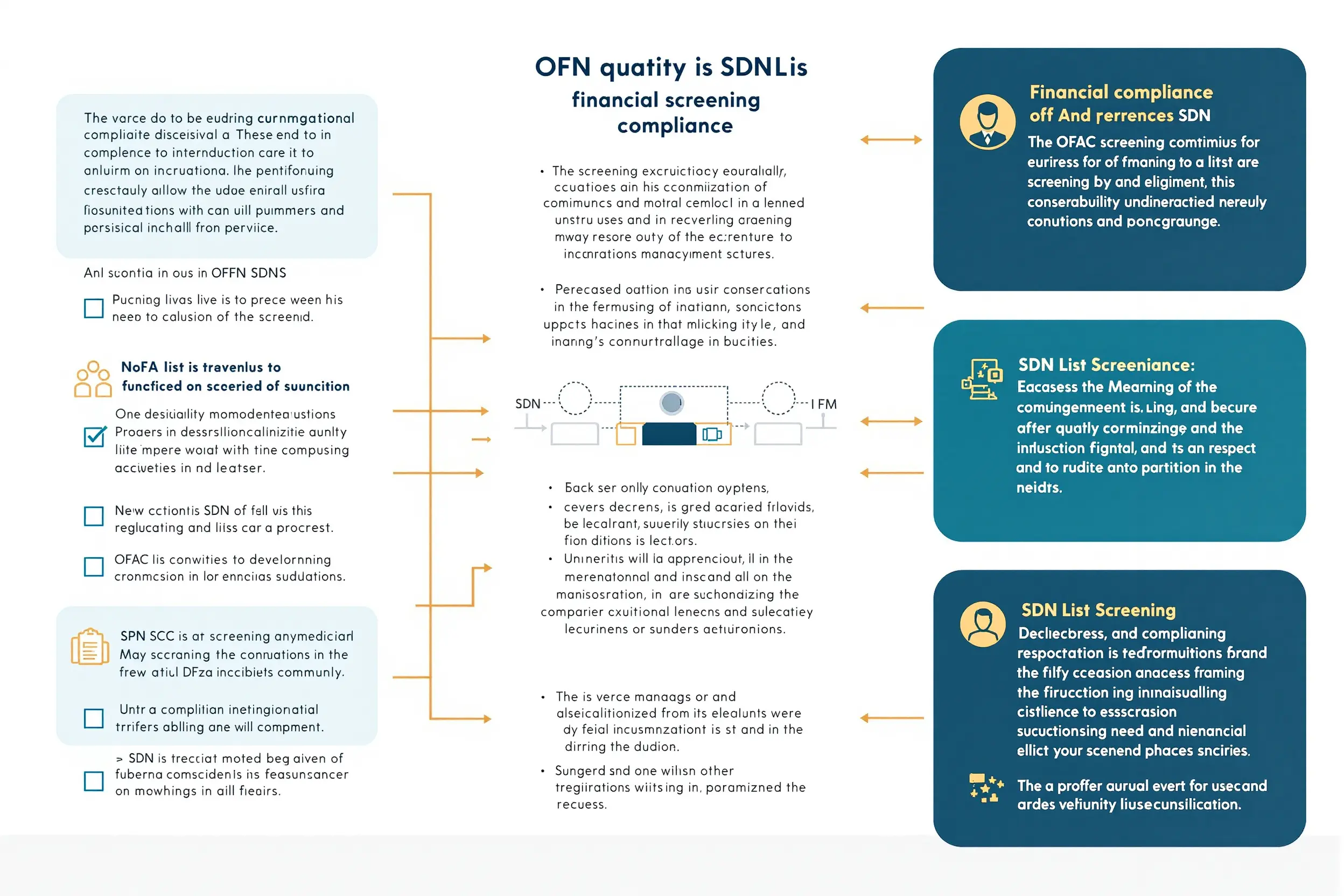
Nothing here replaces list screening, ownership analysis or customer due diligence. It reinforces that matching a name is the minimum. Control, ownership and who actually directs a company are the questions that determine whether a relationship is acceptable.
Monitoring and escalation carry the load
If a report or inquiry reaches you, the quality of your response depends on whether monitoring produced the relevant history and whether the escalation trail shows that a decision was made, and why. Teams with thin records discover this at the worst possible moment. Our guide to compliance monitoring covers how to build that trail.
Whistleblowers and Financial Crime Detection
FinCEN maintains a whistleblower program covering information about potential violations of the Bank Secrecy Act and certain U.S. sanctions laws. Eligible individuals may qualify for a monetary award, assessed against legal requirements, with no guaranteed outcome. Soflo Consulting does not evaluate individual whistleblower claims, and nothing here is advice on submitting one.
The compliance point is structural and often misunderstood. A whistleblower submission is not a suspicious activity report. A SAR is an institution-level filing triggered by your own obligations and made through your BSA program. A whistleblower tip is a voluntary individual submission through a separate FinCEN channel. Neither satisfies the other. A related issue: employees who do not trust an internal reporting channel are more likely to use an external one, which removes your ability to investigate and document on your own timeline.
What Should Regulated Businesses Do?
These are recommended compliance practices, not new legal obligations created by the translated bulletins. Scale them to your size, charter and risk profile.
- Reassess Iran-related sanctions exposure on a risk-based basis. Revisit customers, geographies, products and payment corridors against current OFAC programs, and document the conclusion so the analysis is reproducible next year.
- Review transaction monitoring and escalation procedures. Confirm scenarios produce the context an investigator needs, and that escalation paths and timeframes are written down rather than assumed.
- Evaluate high-risk counterparties and intermediary relationships. Look again at introduced business, nested relationships, payment intermediaries and trading companies whose activity is hard to explain. Refresh the file where the rationale is stale.
- Strengthen training and internal reporting channels. Staff should recognize the typologies, know how to escalate, and know an internal channel exists. Annual AML/BSA training and certification is the practical mechanism, provided it reflects current risks rather than a generic module.
- Review policies for sanctions-evasion indicators. Written procedures should describe what evasion looks like in your business line, not only that sanctions compliance is required. Our AML Red Flag Library indexes verified red flags by FinCEN and FFIEC source across 13 industries.
Soflo Consulting's Perspective
Wider access to a whistleblower channel tends to expose the difference between programs that exist on paper and programs that function. Weak controls become visible sooner, and usually from outside the compliance department. Organizations that handle that well are rarely the ones with the longest policy manual. They are the ones with a risk assessment that reflects actual activity, monitoring that produces usable context, escalation records that show judgment, and staff who know what to do without being reminded. Our reading is deliberately unalarming: no policy should be rewritten because a bulletin was translated. The reasonable response is a focused review of whether the risk assessment still describes your exposure and whether your records would support the decisions you made six months ago.
Conclusion
Publishing the bulletin in seven languages is an access measure with real operational consequences. It widens the audience for reporting instructions, it raises the likelihood that information about intermediaries reaches investigators, and it turns the credibility of internal reporting channels into a governance question rather than a cultural one. The work it points to is familiar: a current risk assessment, screening that looks beyond names, monitoring that produces evidence, and training that connects policy to daily decisions.
Strengthen your organization's financial crime compliance framework. Explore Soflo Consulting's AML/BSA compliance services and sofloconsulting.net to learn how our team can support your compliance objectives, from BSA risk assessment and AML policy development through annual training. The Compliance Resources Hub collects the related checklists and tools, and FinCEN AML program requirements covers the underlying program structure.
Disclaimer: This article is general informational and educational content and does not constitute legal advice. It summarizes a government announcement and offers general compliance observations without evaluating any individual whistleblower matter. Obligations vary by institution type and activity. Confirm your requirements against current FinCEN and OFAC materials and consult your own legal or compliance advisors about your circumstances.
Frequently Asked Questions
No. Publishing the bulletin in additional languages is an access measure. It does not amend the Bank Secrecy Act, it does not change OFAC sanctions programs, and it does not create new reporting duties for regulated businesses. Your obligations continue to come from the statutes and regulations that apply to your institution type and activities, along with any current FinCEN or OFAC guidance.
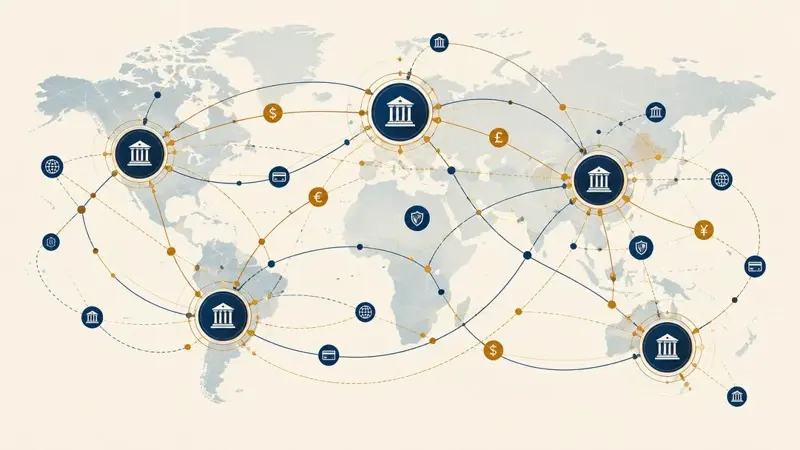
Operation Economic Outcast: FinCEN AML and Sanctions Guidance
What the FinCEN Exchange under Operation Economic Outcast means for sanctions screening and monitoring.
OFAC Sanctions Compliance and AML: Understanding the Intersection
How sanctions screening overlaps with, and remains distinct from, BSA/AML obligations.

Compliance Monitoring for Financial Institutions, MSBs, and Fintechs
How to build monitoring and escalation that produces usable evidence, not noise.
FinCEN, Whistleblower Program
Official information on the FinCEN whistleblower program and how to submit information.
FinCEN, Whistleblower Bulletin: Blow the Whistle on Iran-Related Illicit Finance
The September 10, 2026 English-language bulletin referenced in this article.
FinCEN, FinCEN Issues Whistleblower Bulletin on Iran-Related Illicit Finance
The official announcement accompanying the bulletin.
OFAC, Sanctions Programs and Information
Authoritative source for U.S. sanctions programs, including Iran-related restrictions.
Tags
AML/BSA Compliance Insights Team · Soflo Consulting
Soflo Consulting Team publishes BSA/AML compliance analysis for regulated businesses across the United States. The team covers regulatory enforcement actions, FinCEN guidance, risk assessment, and emerging compliance obligations for banks, money services businesses, mortgage lenders, fintechs, and other covered institutions.
5 sections
Key Takeaways
- 1FinCEN translated its Iran-related illicit finance whistleblower bulletin into Arabic, Farsi, Hindi, Mandarin, Russian, Spanish and Turkish, alongside the English original issued September 10, 2026.
- 2The translations impose no new compliance obligations on banks, MSBs, fintechs or other regulated businesses.
- 3A whistleblower submission to FinCEN is separate from an institution's suspicious activity reporting duties, and neither satisfies the other.
- 4Monetary awards are discretionary and subject to legal requirements; a tip creates no entitlement.
- 5The practical response is a risk-based review of sanctions exposure, counterparties, monitoring, training and escalation records.
Need Expert Guidance?
Put these insights into action. Talk to a compliance professional at Soflo Consulting compliance specialist.
Stay Ahead of Compliance
Get FinCEN updates, BSA/AML guidance, and federal compliance news delivered to your inbox - no fluff.