
Find Out If Your Business Needs AML/BSA Compliance
Answer 6 quick questions and get an instant, personalized assessment of your AML/BSA compliance obligations, plus a free action plan sent to your inbox.
What best describes your business?
Select the option that most closely matches your primary business activity.
Why This Assessment?
Based on FinCEN's actual regulatory coverage rules
Built by BSA compliance experts with 15+ years experience
Your answers are private, never sold or shared
Nationwide coverage
The Cost of Non-Compliance
FinCEN civil penalties range from $71,545 to $286,184 per willful violation (31 CFR 1010.821). Criminal prosecution is possible for willful violations.
Get ProtectedWhich Businesses Need AML/BSA Compliance?
The Bank Secrecy Act covers a wide range of financial institutions. Here's a quick reference guide to who is currently required to maintain a written AML compliance program.
Money Services Businesses
RequiredMortgage Lenders & Originators
RequiredFintech & Payment Apps
RequiredCryptocurrency Businesses
RequiredBanks & Credit Unions
RequiredCasinos & Gaming
RequiredInsurance Companies
RequiredReal Estate Professionals
LikelyJewelry & Luxury Goods
LikelyAuto Dealers
LikelyDoes Your Business Need an AML Program? Here's What to Know
A quick overview of who needs AML compliance and what's required under the Bank Secrecy Act.
YouTube video
This player is served by YouTube and can set cookies. Allow Functional cookies to load it automatically, or load it just for this visit.
The 4 Pillars of AML/BSA Compliance
If your business is covered, FinCEN requires a written AML program with four core elements, often called the "four pillars." Missing any one of them is a regulatory finding.
Written Policies & Procedures
A formal AML policy manual covering your products, services, SAR/CTR procedures, and recordkeeping requirements. Must be updated annually.
Designated BSA Compliance Officer
A named individual responsible for day-to-day program management. Cannot be outsourced, but can be supported by external consultants.
Annual Employee Training
All relevant employees must complete role-specific AML training annually, with documented completion certificates retained for 5 years.
Independent Program Review
An independent review by a qualified party at a frequency appropriate to your risk profile. The BSA officer cannot review their own program. This is the #1 audit finding.
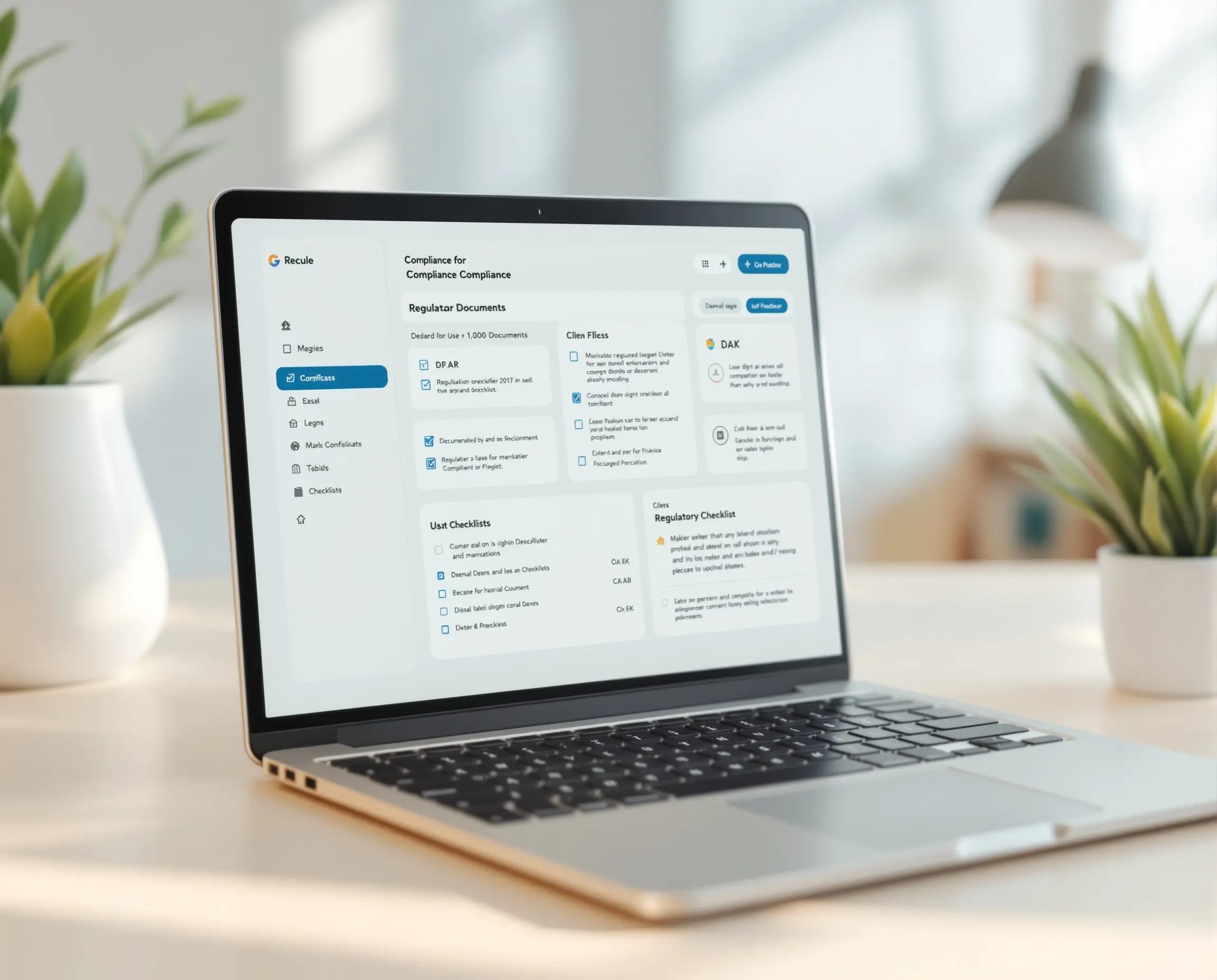
Soflo delivers all 4 pillars
Fixed annual price. No hourly billing. No mandatory sales call.
Get StartedWhat Happens If You Get This Wrong
"I did not know" is not a defense. The consequences of operating without an adequate AML program are severe, and they compound quickly.
Civil Money Penalties
Willful BSA violations can bring civil penalties from $71,545 to $286,184 per violation, and some violations count separately for each day they continue. Negligent violations can bring up to $1,430 each, or $111,308 for a pattern of negligence (31 U.S.C. 5321; 31 CFR 1010.821, as adjusted January 2025).
Criminal Prosecution
Willful violations of the BSA carry criminal penalties including imprisonment. In 2024-2026, multiple business owners received federal prison sentences for willful AML program failures.
License Revocation
State regulators can suspend or revoke your operating license, effectively shutting down your business. Most states require proof of AML compliance as a condition of licensing.
Banking Relationship Loss
Banks are required to assess their customers AML programs. If yours is inadequate, banks may close your accounts, cutting off your access to the financial system entirely.
Reputational Damage
Regulatory enforcement actions are public record. A consent order or civil penalty can permanently damage your reputation with business partners, investors, and customers.
Personal Liability
BSA compliance officers and business owners can be held personally liable for willful failures. FinCEN has pursued individuals, not just companies, for systemic AML program deficiencies.
Common Questions About AML Compliance Requirements
Does my business need an AML compliance program?
Your business needs an AML/BSA compliance program if it is a "financial institution" under the Bank Secrecy Act. This includes money services businesses (MSBs), mortgage lenders and originators, banks and credit unions, fintech companies, casinos, insurance companies, and certain real estate professionals. Use our free self-assessment above to find out if your specific business is covered.
What is a Money Services Business (MSB)?
A Money Services Business (MSB) is any business that provides money transmission, currency exchange, check cashing, money orders, prepaid access, or virtual currency services. MSBs must register with FinCEN and maintain a written AML compliance program. Common examples include wire transfer services, check cashers, currency exchangers, and cryptocurrency businesses.
Do mortgage brokers need AML compliance?
Mortgage lenders and originators are required to maintain a written AML/BSA compliance program under 31 CFR § 1029.210. This includes annual employee training, a designated BSA compliance officer, a written risk assessment, and an independent program review. Mortgage brokers who are not lenders are not currently covered, but this is subject to change.
What happens if my business does not have an AML program?
Operating a covered business without an adequate AML program can result in civil money penalties from $71,545 to $286,184 per willful violation (31 CFR 1010.821, as adjusted January 2025), cease and desist orders, loss of operating licenses, and in serious cases, criminal prosecution. FinCEN has assessed penalties against businesses of all sizes for inadequate AML programs.
How much does AML compliance cost for a small business?
Traditional AML compliance consulting can cost $5,000–$50,000+ per year in hourly fees. Soflo offers a fixed-price annual compliance program that includes written policies, risk assessment, annual training with certificates, and independent review, starting at a fraction of traditional consulting costs. Use our self-assessment to get a personalized quote.
What is the difference between AML and BSA compliance?
BSA (Bank Secrecy Act) is the U.S. law that requires financial institutions to maintain records and file reports to help detect and prevent money laundering. AML (Anti-Money Laundering) refers to the broader set of policies, procedures, and controls that businesses implement to comply with the BSA and related regulations. In practice, "AML compliance" and "BSA compliance" are used interchangeably.
What are the most surprising industries that need AML compliance?
Many business owners are caught off guard: auto dealers selling vehicles for more than $50,000 in cash, jewelry stores processing large transactions, real estate professionals handling all-cash deals, and even art galleries selling high-value pieces may all be covered by FinCEN regulations. Payment processors, digital wallet providers, and peer-to-peer lending platforms are also classified as financial institutions under the BSA. If your business moves money for customers in any capacity, you should verify your status.
How do I find out if my specific business needs an AML program?
Start with a compliance assessment. Determine whether your business activities fall under the BSA's definition of financial institution. Check if you are or should be registered with FinCEN as an MSB. Review state-level licensing requirements for money transmission or mortgage origination. Use our free self-assessment above, it takes 2 minutes and provides a personalized analysis of your AML obligations.
Can I handle AML compliance myself without a service?
Yes, you can build and manage an AML program internally, but it requires significant expertise in FinCEN regulations and current examination standards. Most small to mid-sized businesses find that a compliance platform like Soflo delivers better results at a lower cost than hiring an in-house compliance officer or paying hourly consulting fees.
How quickly do I need to get compliant?
If your business is currently operating without the required AML program, every day is a risk. FinCEN can examine your business at any time, and state regulators conduct routine examinations. The good news: a comprehensive AML program can be implemented in 2–4 weeks with Soflo, and employee training is available immediately after subscribing.
Ready to Get Compliant?
Soflo delivers the core program elements FinCEN expects: written policies, annual training, a risk assessment, and AML program review & gap analysis, at a fixed annual price, backed by compliance professionals. No hourly billing.