Compliance software and compliance consulting solve different problems. Here is how to decide which you need, and why many firms benefit from combining both.
Compliance software automates monitoring, screening, alerting, and documentation; consultants provide the judgment, risk, policy, and testing layer
Financial services compliance software and compliance consulting are often framed as rivals, but they are not competing for the same job. Software automates the repetitive, data-heavy work of a compliance program, screening, monitoring, alerting, and recordkeeping. Consultants bring the judgment-heavy work a platform cannot do, interpreting regulation, assessing risk, writing policy, training people, and independently testing the program. The right question is rarely "software or consultant?" It is usually "where does technology end and human expertise begin?" For most financial institutions, MSBs, and fintechs, the strongest answer combines both.
Software and consulting are complementary, not interchangeable, neither fully replaces the other
Software vs. Consultant, Key Takeaways
- Software automates monitoring, screening, alerting, and documentation; consultants apply judgment to risk, regulation, policy, and testing.
- The two are complementary, not interchangeable, neither fully replaces the other.
- Software cannot interpret regulation, exercise judgment, or independently validate your program.
- The strongest approach is usually a hybrid model: good tools paired with qualified compliance professionals.
- Your choice should be risk-based and driven by your business model, not by vendor marketing.
- Requirements vary, the right mix for a large bank differs from the right mix for a small MSB.
Software cannot interpret regulation, exercise judgment, write policy, or independently validate your own program
What Compliance Software Does
Compliance software, including AML compliance software, is built to handle the volume and speed of a modern compliance program. It automates tasks that would otherwise be slow, error-prone, or impossible at scale. A typical platform can screen customers and transactions against watchlists, apply transaction monitoring rules, generate alerts, store documentation, and produce audit-ready records. Its core strength is consistency and coverage: it applies the same rules to every transaction, twenty-four hours a day, without fatigue. That is genuinely valuable, and for high-volume institutions it is effectively essential. But software operates on rules someone has to define, and it flags exceptions someone has to interpret. What it does well is process; what it cannot do is decide.
The AML risk assessment, policy development, and independent testing are fundamentally human, judgment-based work
What Compliance Consultants Do
A compliance consultant brings specialized expertise that software cannot encode. Consultants interpret how regulations apply to a specific business, conduct AML risk assessments, draft and review policies and procedures, design employee training, and perform independent testing of the program. They translate abstract regulatory expectations, from FinCEN, OFAC, the FFIEC, and state regulators, into concrete controls tailored to your customers, products, and geographies. A consultant's core strength is judgment: deciding what a rule actually requires in your situation, what a risk really means, and what a red flag is telling you. That is exactly the work a platform cannot perform for you.
Most mature programs are hybrid: software handles the processing, people handle the decisions
When Software Works Well
Software is at its best when the task is high-volume, rules-based, and repeatable. Transaction and sanctions screening across large numbers of customers, consistent application of monitoring thresholds, automated alert generation, and centralized recordkeeping are all textbook software strengths. If your pain point is that you are drowning in data and need to process it reliably and consistently, a platform is the right tool. Software also brings defensibility: a system that logs every screen and every alert creates an audit trail that is hard to reproduce manually. The key is to understand that software improves the processing of compliance, it does not, by itself, establish that your program is sound.
Your choice should be risk-based and driven by your business model, not vendor marketing
When Human Expertise Is Needed
Human expertise becomes indispensable the moment judgment enters the picture. Interpreting whether a new regulation changes your obligations, determining whether a customer relationship is genuinely high-risk, deciding whether an alert represents suspicious activity or a benign pattern, and writing a policy that actually reflects how your business operates, none of these can be reliably automated. Independent testing is another clear case: a control that has never been independently evaluated by a qualified person is a control you cannot prove works. The places software falls short are precisely where regulatory risk concentrates, because regulators care about whether the thinking behind your program is sound, not just whether you have a system in place.
Why Software Cannot Replace Regulatory Judgment
Regulation is written in language, not logic. Rules such as the Bank Secrecy Act and FinCEN's guidance require interpretation: they describe outcomes and expectations, not exact instructions. A monitoring system can flag an unusual transaction, but it cannot tell you whether that transaction is genuinely suspicious, whether it warrants a SAR, or how it fits your institution's specific risk profile. Those are judgment calls with real consequences, and they are made by people accountable to examiners and, ultimately, to the law. Compliance software can surface the signal; regulatory compliance consulting is what turns that signal into a defensible decision. Treating the two as equivalent is where programs go wrong.
AML Risk Assessments
The AML risk assessment is the clearest illustration of the divide. A platform can organize data, run scoring models, and store the results, but it cannot decide which risks your institution actually faces and how severe they are. That requires understanding your customer base, your products, your geographies, and the money-laundering typologies relevant to your business, work that is fundamentally analytical and judgment-based. Software may support the process; it does not perform it. For most firms, the risk assessment is where a consultant adds the most immediate value, because it is the foundation every other control is built on.
Policy Development
A compliance platform cannot write your policy. It can store a template, track approvals, and manage version history, but the content, the statements of commitment, the risk appetite, the control framework, must reflect your actual business and the regulations that apply to it. A generic policy is one of the most common compliance weaknesses examiners cite. Policy development is where a consultant translates your risk assessment into written commitments and procedures that hold up under scrutiny. Software is a document management tool; it is not the author of your program's governing documents.
Employee Training
Training is a human exercise. A platform can deliver and track an online course, and that is genuinely useful for scale and recordkeeping. But effective AML training is about changing behavior, helping employees understand the risks they will actually encounter, the red flags relevant to their role, and how to escalate concerns properly. That requires content designed around your business and often a live instructor who can answer questions and test understanding. Software delivers and records training; a consultant designs and, where valuable, delivers it. They work together, but they are not the same thing.
Independent Testing
Independent testing is, by definition, work that cannot be automated by the same system being tested. A tool cannot objectively evaluate whether your program is effective; it can only report on its own outputs. Independent AML testing requires a qualified person, ideally with independence from the day-to-day program, to evaluate whether policies are followed, controls are operating, and the program actually mitigates risk. This is one of the clearest, least ambiguous cases where a consultant is not optional. You can automate the evidence-gathering; you cannot automate the evaluation.
Monitoring and Alerts
Monitoring is where software shines, and where the hybrid model is most obvious. A platform generates alerts reliably and at scale; a person reviews and dispositions them. The value of the software is coverage, nothing is missed. The value of the human is discernment, every alert is interpreted in context. A program that generates alerts no one meaningfully reviews is worse than no program at all, because it creates the appearance of control without the substance. For a complete treatment of the discipline, see our guide to compliance monitoring.
Hybrid Compliance Model
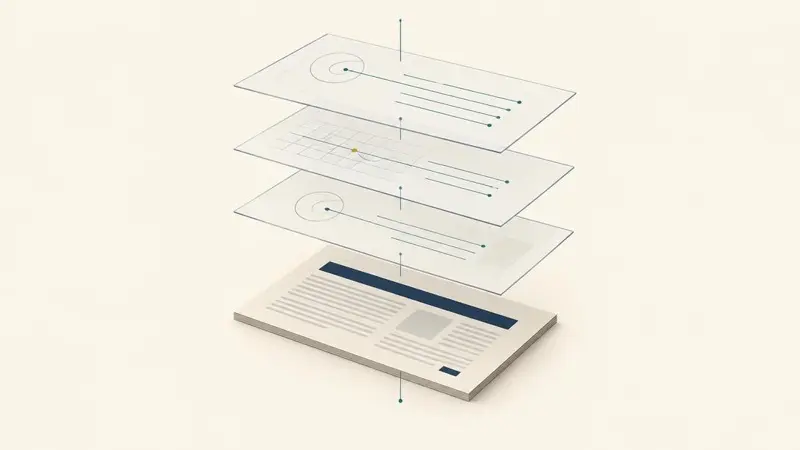
Most mature programs are hybrids. Software handles screening, monitoring, alerting, and recordkeeping at scale; consultants handle the risk assessment, policy, training, human review, and independent testing. The tools generate the raw material; the professionals make the decisions. This division is not a compromise, it is the natural structure of compliance, because compliance is partly engineering and partly judgment. The table below maps how the two approaches divide the work:
| Area | Software | Compliance Consultant |
|---|---|---|
| Transaction monitoring | Applies rules and generates alerts at scale | Calibrates rules to your risk profile |
| Policy creation | Stores and tracks documents | Drafts policies that fit your business |
| Risk assessment | Organizes data and runs models | Identifies and measures actual risk |
| Regulatory interpretation | Not capable | Translates rules into obligations |
| Employee training | Delivers and records courses | Designs and delivers tailored content |
| Alert management | Flags exceptions | Investigates and dispositions alerts |
| Documentation | Centralizes records and audit trails | Ensures records support defensible decisions |
| Independent review | Cannot evaluate itself | Objectively tests program effectiveness |
| Customization | Configurable within limits | Fully tailored to your business |
| Ongoing support | Vendor support and updates | Advisory guidance and expertise |
Can Compliance Software Replace an AML Consultant?
The direct answer is no, not for the judgment-driven parts of a compliance program. Software is excellent at automation, consistency, and scale, and no serious program should ignore it. But it cannot interpret regulation, conduct a thoughtful risk assessment, write a policy that reflects your business, train your people to recognize risk, exercise human review over alerts, or independently test your own program. These are exactly the activities regulators scrutinize most closely, and they are fundamentally human work. That said, a consultant is not a replacement for good tools either, at high volume, even the best professional cannot manually screen every transaction. The honest conclusion is that many firms benefit from combining technology with qualified compliance professionals: let software do the processing, and let people do the thinking.
How to Choose
Choosing between software, consulting, or both is a risk-based decision, not a vendor selection exercise. Start by understanding what you are actually trying to solve. If the problem is volume and consistency, processing large numbers of transactions or screening at scale, software is the priority. If the problem is that you are unsure whether your program is even sound, whether your risk assessment is accurate, your policies fit your business, and your controls work, a consultant is the priority. Most firms need some of both, in proportions that depend on their size, complexity, and risk profile. A qualified consultant can also help you evaluate your program to determine where the gaps actually are, so you spend on what you genuinely need.
How Soflo Consulting Can Help
Soflo Consulting provides the AML consulting layer that software cannot supply, the risk assessments, policy development, training, and regulatory judgment that make a compliance program genuinely effective. We are not a software vendor, and we do not pretend that consulting replaces your tools; instead, we help you get the human layer right and make sure your technology is pointed at the right risks. We can conduct or refresh a risk assessment, review your AML policy, train your team, and help you prepare for independent testing. See our FinCEN AML program requirements overview for the framework these services support.
Not sure whether your current compliance tools are enough? Request a compliance program review. Contact Soflo Consulting to discuss your specific situation and identify where technology ends and human expertise should begin.
Disclaimer: This article is provided for general educational and informational purposes only and is not legal, financial, or regulatory advice. It does not create an attorney-client or consultant-client relationship. Regulatory requirements vary by business model and jurisdiction, and laws and guidance change frequently. Consult qualified legal and compliance professionals regarding your specific circumstances.
Frequently Asked Questions
Not for the judgment-driven parts of a compliance program. Software is excellent at automation, consistency, and scale, but it cannot interpret regulation, conduct a thoughtful risk assessment, write a policy that reflects your business, train people to recognize risk, exercise human review over alerts, or independently test your own program. Many firms benefit from combining technology with qualified compliance professionals, let software do the processing and people do the thinking.
Compliance Monitoring: What Financial Institutions Should Monitor
The operational layer where software and human review meet, detecting and escalating unusual activity.

Independent AML Testing: What It Is and Why It Matters
Why independent review is the one piece of the program software cannot automate.
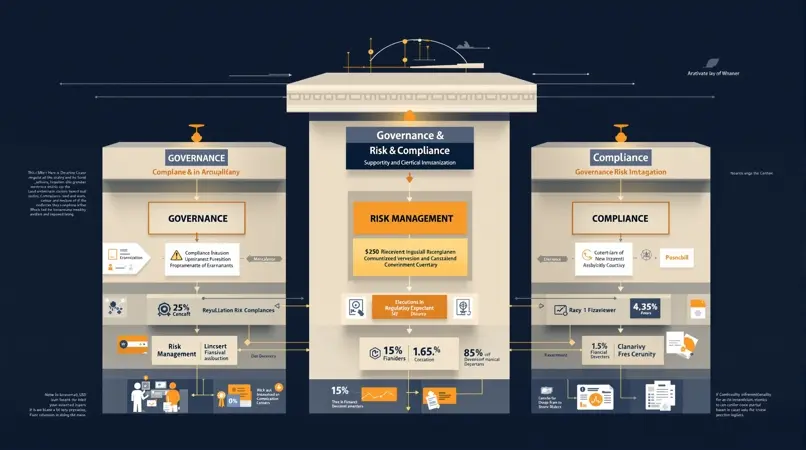
What Is Governance, Risk & Compliance (GRC)?
How software, policy, and oversight fit within a broader compliance framework.
What Should an AML Policy Review Include?
The policy layer that software can store but only qualified professionals can write.
FinCEN, Financial Crimes Enforcement Network
Primary source for BSA/AML rules, MSB registration, and AML program expectations.
FFIEC, BSA/AML Examination Manual
The authoritative examination manual describing risk assessment, monitoring, and independent testing expectations.
OFAC, Office of Foreign Assets Control
Primary source for U.S. sanctions programs and screening requirements.
U.S. Department of the Treasury
Primary source for Treasury policy on financial integrity and AML/CFT priorities.
Tags
AML/BSA Compliance Insights Team · Soflo Consulting
Soflo Consulting Team publishes BSA/AML compliance analysis for regulated businesses across the United States. The team covers regulatory enforcement actions, FinCEN guidance, risk assessment, and emerging compliance obligations for banks, money services businesses, mortgage lenders, fintechs, and other covered institutions.
6 sections
Key Takeaways
- 1Compliance software automates monitoring, screening, alerting, and documentation; consultants provide the judgment, risk, policy, and testing layer
- 2Software and consulting are complementary, not interchangeable, neither fully replaces the other
- 3Software cannot interpret regulation, exercise judgment, write policy, or independently validate your own program
- 4The AML risk assessment, policy development, and independent testing are fundamentally human, judgment-based work
- 5Most mature programs are hybrid: software handles the processing, people handle the decisions
- 6Your choice should be risk-based and driven by your business model, not vendor marketing
Need Expert Guidance?
Put these insights into action. Talk to a compliance professional at Soflo Consulting compliance specialist.
Stay Ahead of Compliance
Get FinCEN updates, BSA/AML guidance, and federal compliance news delivered to your inbox - no fluff.