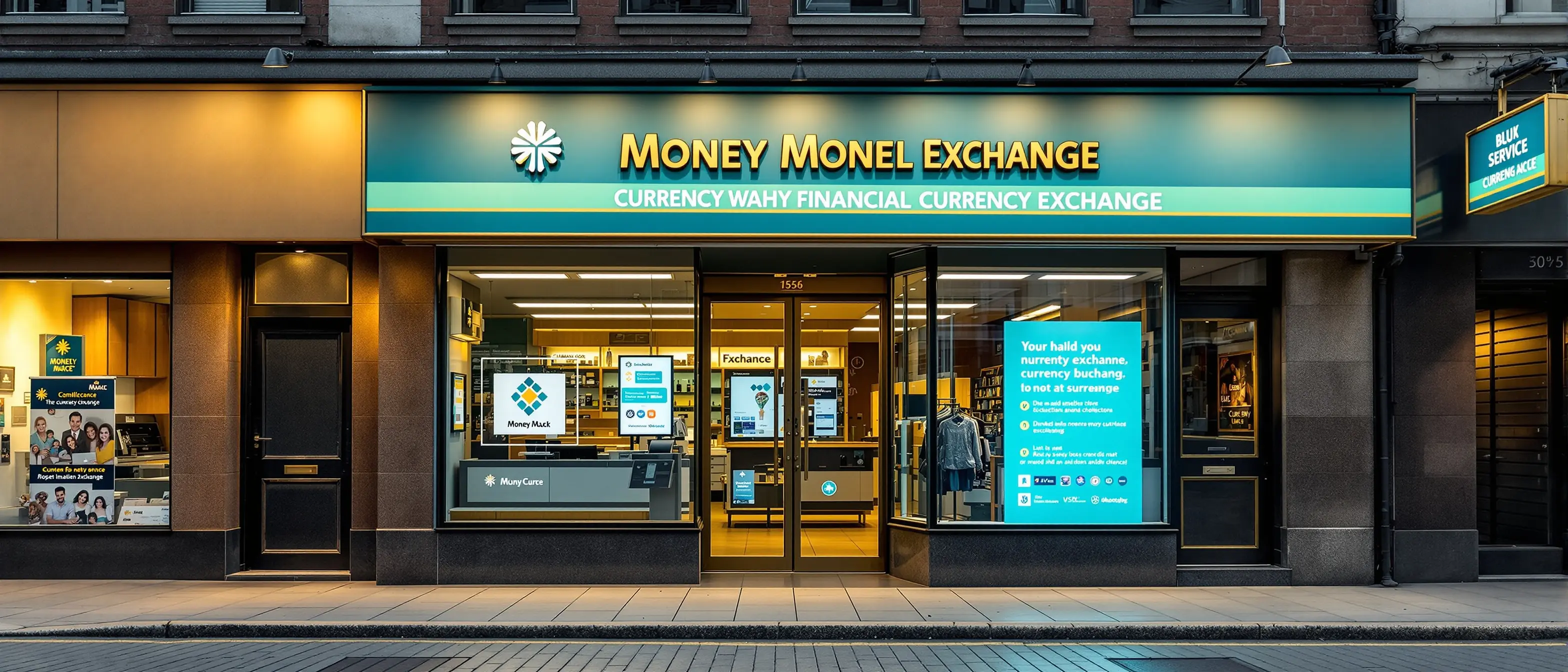
AML Training Built for
Money Service Businesses
BSA/AML compliance training for money transmitters, check cashers, and currency exchangers - covering the specific risks FinCEN examiners look for.
The Red Flags FinCEN Examiners Look For
MSBs are among the highest-scrutinized businesses under the BSA. Your team needs to recognize these patterns before they become violations.
Structuring
Breaking large cash transactions into smaller amounts to avoid the $10,000 CTR threshold - a federal crime and top MSB red flag.
Bulk Cash Smuggling
Physical movement of large amounts of currency across borders to avoid detection and reporting requirements.
High-Risk Corridors
Transfers to or from jurisdictions with weak AML controls, sanctions exposure, or known cartel activity.
Third-Party Funding
Transactions funded by someone other than the named customer - a common layering technique in MSB operations.
What MSBs Are Required to Do
FinCEN MSB Registration (31 CFR 1022)
All MSBs must register with FinCEN and renew every two years. Failure to register is a federal crime.
Written AML Program
A documented program with internal controls, a designated compliance officer, employee training, and independent review.
Currency Transaction Reports (CTRs)
Cash transactions over $10,000 must be reported to FinCEN within 15 days.
Suspicious Activity Reports (SARs)
Suspicious transactions of $2,000 or more must be reported within 30 days of detection.

Choose Your Training Plan
All plans include instant access, NAMLC-verified certificates, and annual renewal tracking.
Training Only
Annual AML/BSA training and certification. Certificates verified through NAMLC.com.
Select PlanTraining + Policy Review
Training plus expert review of your existing AML documents.
Select PlanFull Program Creation
Complete build-out of your BSA/AML program from scratch.
Select PlanMSB AML Training - FAQ
Money transmitters, check cashers, currency exchangers, issuers and redeemers of money orders and traveler's checks, prepaid access providers, and dealers in foreign exchange are all classified as MSBs under the BSA.
FinCEN requires MSBs to provide ongoing AML/BSA training to appropriate personnel, with refresher training based on regulatory changes, responsibilities, and the institution's risk profile. Many MSBs use an annual training cycle as a practical compliance practice. Training must cover the specific risks of your MSB type.
FinCEN requires MSBs to conduct an independent review of their AML program at a frequency commensurate with their risk profile. The scope and cadence are risk-based rather than automatically annual; some MSBs may not need an annual review. Match the frequency to your risk assessment and any applicable guidance.
Consequences range from written warnings and required remediation plans to civil money penalties and, in severe cases, criminal prosecution. Having documented training and policies is your first line of defense.
Recommended Training for Your Team
AML training addresses financial crime compliance, but employees are also frequently targeted through phishing, executive impersonation, wire fraud, credential theft, and AI-generated scams. These practical courses, delivered through Simple Training Center, round out your annual employee compliance training.
Explore Additional TrainingDelivered through SimpleTrainingCenter.com, Soflo Consulting's online training platform.
Executive Wire Fraud Prevention
Help employees identify executive impersonation, fraudulent wire requests, vendor payment changes, business email compromise, and verification failures.
Cybersecurity Awareness
Practical annual cybersecurity awareness training for employees handling company systems, customer data, financial information, and business communications.
Phishing & Social Engineering
Teach employees how to recognize phishing, impersonation, credential theft, social engineering, and suspicious requests.
Deepfake Defense
Train employees and executives to recognize AI-generated voice, video, and identity impersonation used in financial fraud.
Data Privacy & Information Handling
Train employees to properly handle customer information, confidential records, personal data, file sharing, retention, and accidental disclosures.
Get Your MSB Team FinCEN-Ready
Industry-specific training. Instant access. Verifiable certificates. No mandatory sales call.
Accessibility
Text size
Your choices are saved on this device.