Read
AML Compliance for Real Estate Agents and Brokers: What's Required in 2023
Real Estate

AML Compliance for Real Estate Agents and Brokers: What's Required in 2023

Real estate agents and brokers occupy a unique position in the AML regulatory landscape - subject to some obligations but not others. Here's the current state of AML requirements for real estate professionals.

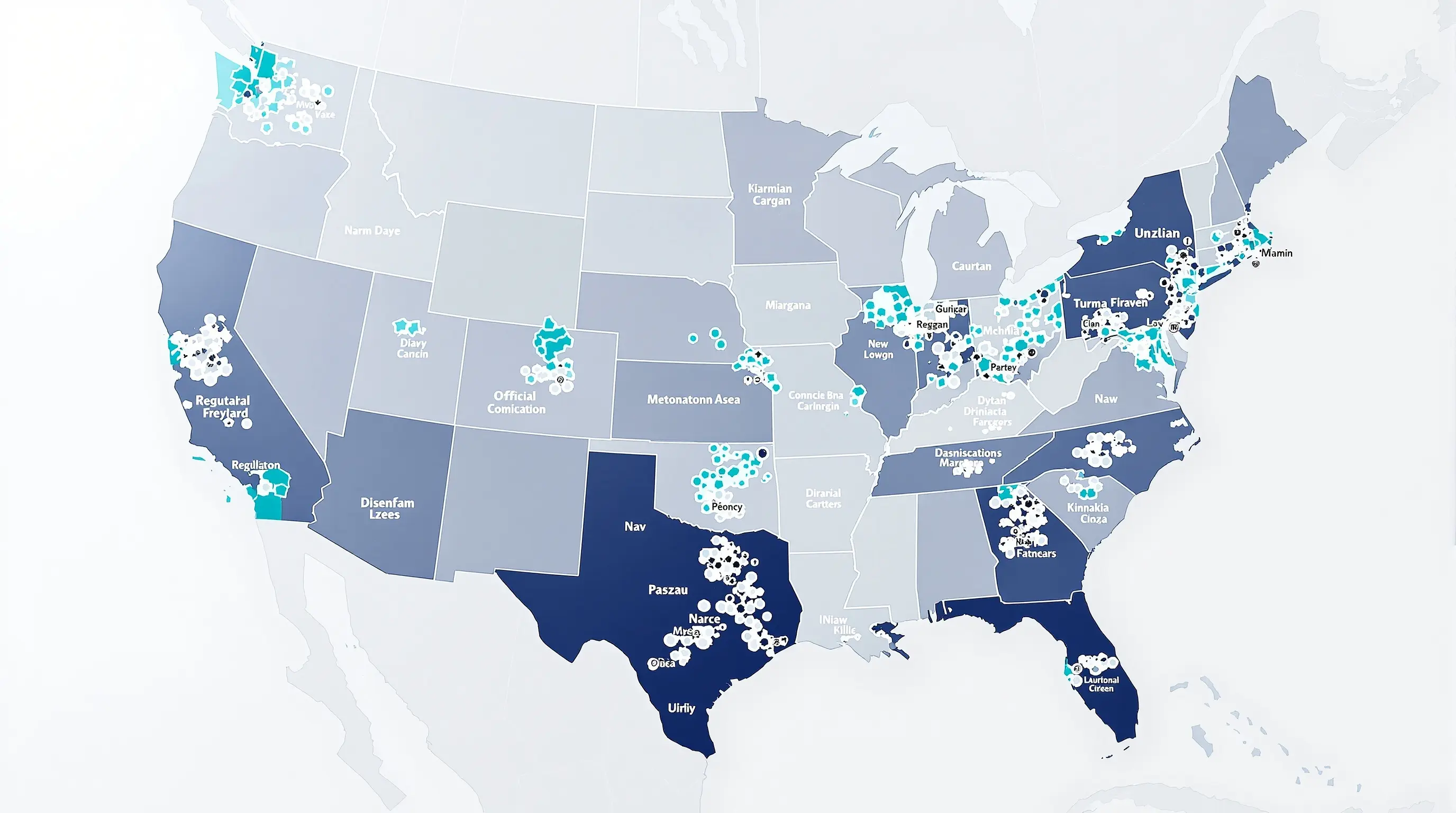
Real estate agents and brokers occupy an unusual position in the BSA regulatory landscape. Real estate agents and brokers, like title and settlement companies, are not currently required to maintain formal AML programs under the BSA. Persons involved in real estate closings remain under FinCEN's temporary exemption at 31 CFR 1010.205(b)(1)(v). Until those orders expired on February 28, 2026, they were subject to Geographic Targeting Order obligations in covered markets, and FinCEN has been explicit about its intention to extend formal AML requirements to the real estate sector.
The GTO obligations were the most immediate compliance concern for real estate professionals in covered markets while the orders were in force. In markets covered by FinCEN's GTOs, real estate professionals involved in all-cash residential purchases above specified thresholds were required to collect and report beneficial ownership information about the purchasing entity. This obligation applied to agents and brokers involved in covered transactions, not just title companies.
FinCEN has no AML program rule for real estate professionals. Its 2024 Residential Real Estate Rule was a reporting rule, and a federal court vacated it on March 19, 2026. The government has appealed.
The practical step today is to meet the duties that apply: Form 8300 for more than $10,000 in cash and OFAC sanctions. Red flag training and a simple escalation process are sensible voluntary controls.
The practical starting point for real estate professionals is to implement a red flag recognition program and a customer due diligence process for high-value transactions. This means training staff to recognize the red flags specific to real estate money laundering, implementing a process for collecting and verifying buyer information on all-cash transactions, and documenting compliance activities in a way that would satisfy examination scrutiny.

Tags

Real Estate AMLReal Estate AgentsGTOFinCENProposed Rulemaking
SC
Soflo Consulting Team

AML/BSA Compliance Insights Team · Soflo Consulting

122 more articles
Soflo Consulting

Soflo Consulting Team publishes BSA/AML compliance analysis for regulated businesses across the United States. The team covers regulatory enforcement actions, FinCEN guidance, risk assessment, and emerging compliance obligations for banks, money services businesses, mortgage lenders, fintechs, and other covered institutions.

BSA/AML ProgramsRegulatory Enforcement AnalysisRisk AssessmentCompliance Training
In This Article

5 sections

Key Takeaways

  • 1Real estate agents and brokers are not currently required to maintain formal AML programs under the BSA
  • 2GTO obligations applied to real estate professionals in covered markets for all-cash transactions above thresholds (the real estate GTOs expired February 28, 2026)
  • 3FinCEN's proposed rule would extend formal AML requirements to real estate professionals
  • 4Voluntary AML controls are prudent for professionals in high-risk markets regardless of current requirements
  • 5Red flag recognition and CDD for high-value transactions are the practical starting points

Need Expert Guidance?

Put these insights into action. Talk to a compliance professional at Soflo Consulting compliance specialist.

Stay Ahead of Compliance

Get FinCEN updates, BSA/AML guidance, and federal compliance news delivered to your inbox - no fluff.


We'll send a 6-digit code to confirm your address.

No spam. Unsubscribe any time.

Category

Real Estate
Continue Reading

You Might Also Like

Handpicked articles to deepen your compliance knowledge

Browse all insights
FinCEN's Residential Real Estate Rule Was Vacated. Here's What Title Companies Should Do Now.
Real Estate
SC
Soflo Consulting Team
8 min read

FinCEN's Residential Real Estate Rule Was Vacated. Here's What Title Companies Should Do Now.

On March 19, 2026, a federal court vacated FinCEN's Residential Real Estate Rule in Flowers Title Companies, LLC v. Bessent. The rule is not currently in effect. But vacated does not mean dead - and title companies that treat this as permanent relief are making a strategic mistake. Here are the three ways the rule could return, and what you should be doing while you wait.

April 23, 2026Read article
FinCEN's New Real Estate Reporting Rule: What Every Real Estate Professional Needs to Know
Real Estate
SC
Soflo Consulting Team
10 min read

FinCEN's New Real Estate Reporting Rule: What Every Real Estate Professional Needs to Know

FinCEN finalized a nationwide Residential Real Estate Reporting rule set to replace the patchwork of Geographic Targeting Orders, but a federal court vacated it on March 19, 2026 (Flowers Title Companies, LLC v. Bessent). The rule is not currently in force. If you're a title company, settlement agent, closing attorney, or real estate professional involved in all-cash transactions, here's what the rule would have required and what to consider doing in the meantime.

April 17, 2026Read article
FinCEN Geographic Targeting Orders: 2024 Update and What's Changed
Real Estate
SC
Soflo Consulting Team
7 min read

FinCEN Geographic Targeting Orders: 2024 Update and What's Changed

FinCEN's Geographic Targeting Orders have expanded significantly since their introduction. The 2024 updates affect more markets, lower thresholds, and add new disclosure requirements. Here's what covered businesses need to know.

October 10, 2024Read article

Explore the full Insights library

50+ articles on BSA/AML compliance, FinCEN requirements, and industry-specific guidance

View all articles