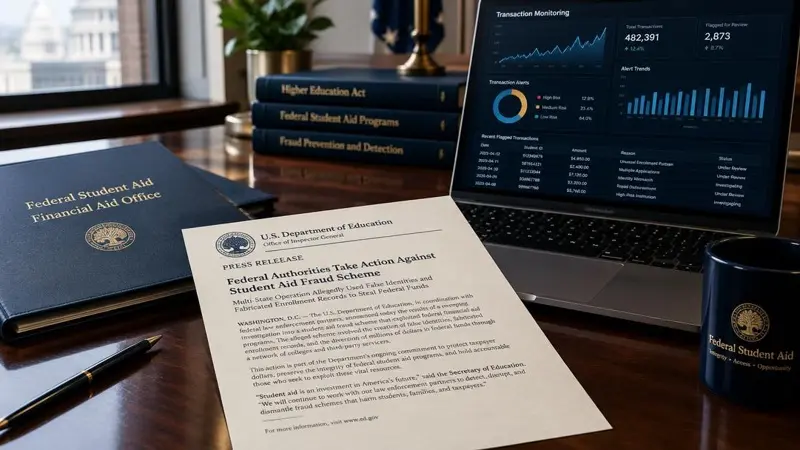
FinCEN finalized a nationwide Residential Real Estate Reporting rule set to replace the patchwork of Geographic Targeting Orders, but a federal court vacated it on March 19, 2026 (Flowers Title Companies, LLC v. Bessent). The rule is not currently in force. If you're a title company, settlement agent, closing attorney, or real estate professional involved in all-cash transactions, here's what the rule would have required and what to consider doing in the meantime.
FinCEN finalized a nationwide Residential Real Estate Reporting rule, but a federal court vacated it on March 19, 2026 - it is not currently in force
FinCEN finalized a nationwide Residential Real Estate Reporting rule that would have been the most significant change to real estate AML obligations in over a decade, replacing the patchwork of Geographic Targeting Orders (GTOs) that had governed all-cash real estate reporting since 2016. But on March 19, 2026, the U.S. District Court for the Eastern District of Texas vacated the rule in Flowers Title Companies, LLC v. Bessent, and it is not currently in force. If you are a title company, settlement agent, closing attorney, or escrow officer involved in non-financed transfers, here is what the rule would have required - and why it is still worth preparing now.
Title companies and settlement agents are the primary reporting persons in most covered transactions
The core requirement of the new rule is straightforward: a "reporting person" must file a Real Estate Report with FinCEN for each non-financed transfer of residential real property to a legal entity or trust. A non-financed transfer is one where no mortgage lender is involved - the purchase is made entirely with cash, wire transfers, cryptocurrency, or other non-loan funds. The rule targets these transactions because all-cash real estate purchases have been consistently identified by FinCEN as a primary vehicle for money laundering, particularly by foreign nationals and shell companies seeking to park illicit funds in U.S. real estate.
The rule covers all non-financed transfers to legal entities and trusts - with no dollar threshold and no geographic limitation
Who is the "reporting person" under the new rule? FinCEN established a cascade of responsibility: the obligation falls on the first person in the following list who is involved in the transaction - the settlement agent, the title insurance agent, the escrow company, the buyer's attorney, the seller's attorney, or the real estate agent or broker. In practice, this means title companies and settlement agents will be the reporting person in the vast majority of covered transactions. If you are a title company or settlement agent and you are not yet filing Real Estate Reports, you are the primary party with an unmet obligation.
Beneficial ownership disclosure is required for all individuals owning 25%+ of the purchasing entity
What information must the Real Estate Report contain? The rule requires disclosure of the beneficial owners of the purchasing legal entity or trust - specifically, any individual who owns 25% or more of the entity, plus the individual who exercises substantial control over the entity. This is the same beneficial ownership standard used in FinCEN's CDD Rule for financial institutions. For each beneficial owner, the report must include name, date of birth, address, and a unique identifying number (such as a passport number or driver's license number). The report must also include information about the property, the transaction, and the payment methods used.
All payment methods must be reported, including cryptocurrency with wallet addresses
The definition of "residential real property" under the new rule is broader than many practitioners expect. It covers single-family homes, townhouses, condominiums, cooperatives, and residential units in mixed-use buildings. It also covers vacant land zoned for residential use. The rule does not apply to commercial real estate - but a mixed-use building with residential units is covered for the residential portion of the transaction. If you're uncertain whether a specific property type is covered, the default assumption should be that it is.
A separate proposed AML program rule would extend formal compliance obligations to all real estate professionals
Payment method reporting is one of the most operationally demanding aspects of the new rule. The reporting person must identify and report all payment methods used in the transaction - not just the primary method. If a buyer uses a combination of wire transfer, cryptocurrency, and a cashier's check, all three must be reported. For cryptocurrency payments, the rule requires reporting the type of virtual currency and the wallet address used. This level of payment detail is new for most real estate professionals and requires updated intake procedures at the point of transaction.
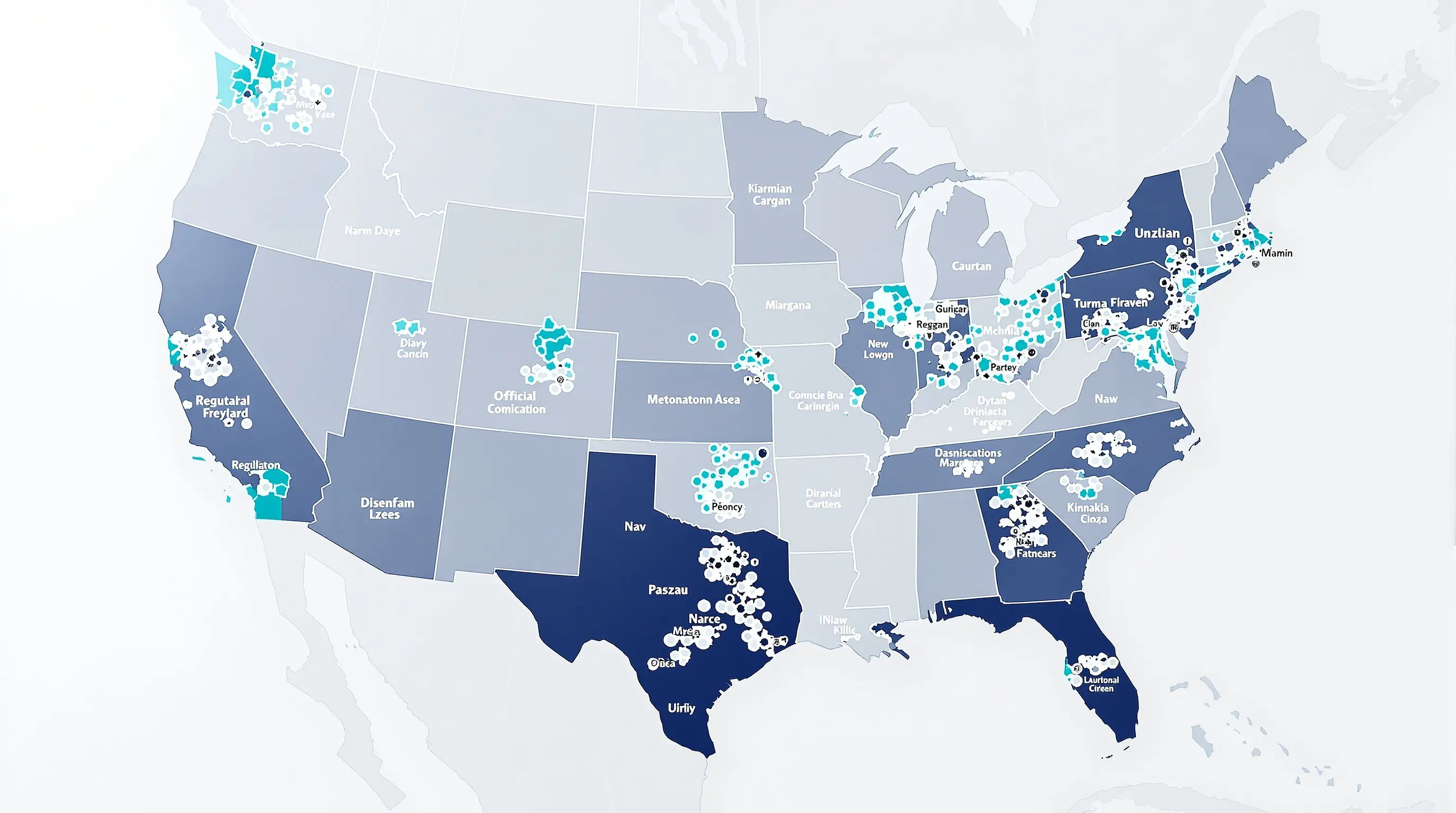
The new rule differs from the old GTO framework in several important ways. GTOs were geographically limited - they applied only in designated high-risk markets like Miami-Dade, Manhattan, and Los Angeles. The new rule is nationwide: it applies to every non-financed transfer of residential real property to a legal entity or trust, regardless of location. GTOs also had dollar thresholds - typically $300,000 or $500,000 depending on the market. The new rule has no dollar threshold. A $150,000 all-cash purchase of a condominium by an LLC in rural Ohio is covered. This is a fundamental expansion of scope.
What about the proposed AML program rule for real estate professionals? Separately from the reporting rule, FinCEN has proposed regulations that would require residential real estate professionals - including agents, brokers, and settlement service providers - to maintain formal written AML programs. This proposed rule is distinct from the December 2025 reporting rule and has not yet been finalized. However, the direction of regulatory travel is clear: FinCEN is systematically extending AML obligations to the real estate sector, and businesses that establish documented programs now will be well-positioned when the proposed rule takes effect.
The penalties for non-compliance with the new reporting rule are serious. FinCEN can assess civil money penalties for failure to file required reports, for filing inaccurate reports, and for failure to maintain required records. The penalty structure mirrors the BSA's general civil penalty framework - up to $286,184 per willful violation (31 CFR 1010.821, as adjusted January 2025). Beyond federal penalties, state regulators in many jurisdictions have their own enforcement authority over title companies and settlement agents. And practically speaking, a title company that cannot demonstrate compliance with the new rule faces significant reputational risk with lenders, real estate attorneys, and the agents who refer business to them.
What should you do right now? If you are a title company, settlement agent, or closing attorney, the immediate priorities are: first, confirm that your intake procedures collect all required beneficial ownership information for every non-financed transfer to a legal entity or trust; second, understand what the rule would have required so staff can identify covered transactions if it is reinstated; third, consider updating your written AML policies and procedures to reflect the vacated (but potentially returning) rule; and fourth, ensure your AML training covers beneficial ownership and all-cash transaction red flags. If you haven't done these things yet, the time is now - not after your next covered transaction.