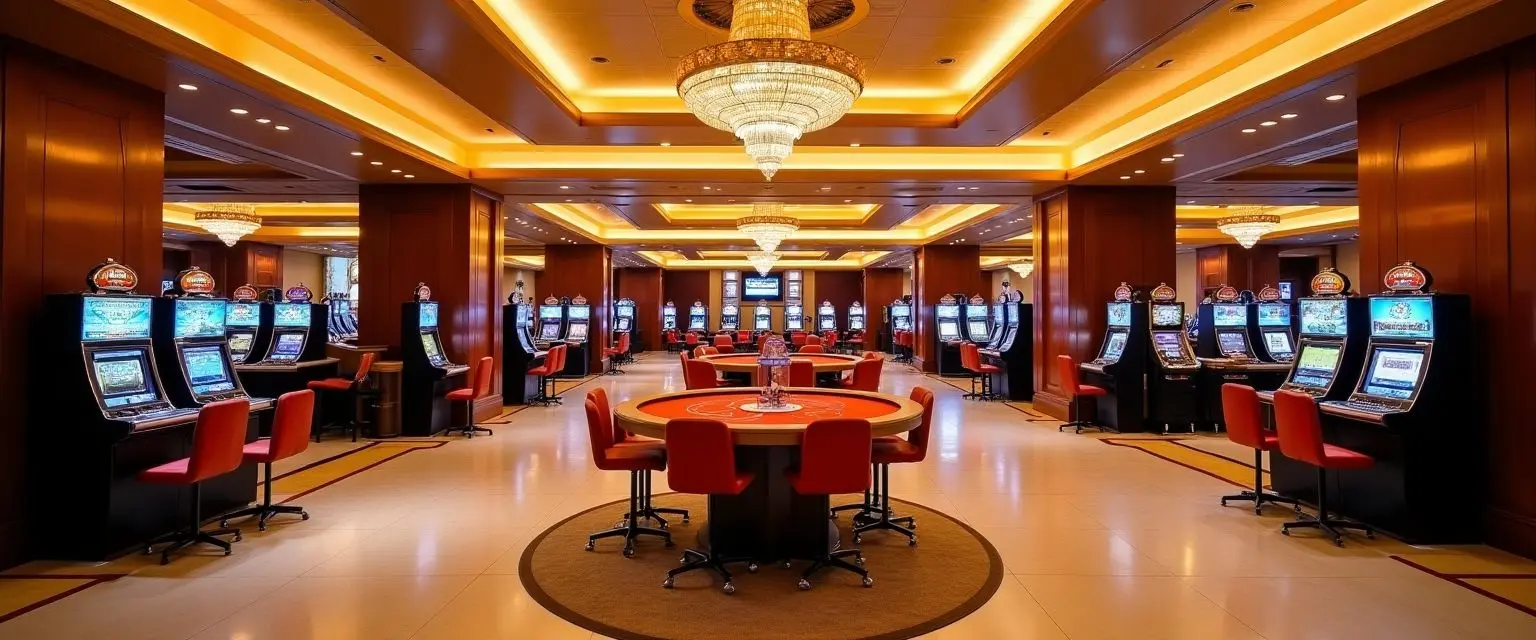
AML-BSA Compliance for Casinos & Gaming
Casinos are among the most heavily regulated businesses under the Bank Secrecy Act, subject to Title 31 requirements including CTR and SAR filing, patron identification, and comprehensive AML-BSA programs. Soflo delivers annual training and audit-ready documentation built for gaming.
AML-BSA Compliance Requirements for Casinos
Casinos, including card clubs and tribal gaming establishments, are classified as financial institutions under the Bank Secrecy Act and are subject to comprehensive AML-BSA compliance requirements under 31 CFR Part 1021. These requirements are often referred to as "Title 31" compliance in the gaming industry.
A casino's AML-BSA compliance program must include annual AML-BSA employee training, a documented risk assessment, AML policies and procedures, patron identification procedures, Currency Transaction Reports (CTRs) for cash transactions over $10,000, and Suspicious Activity Reports (SARs). FinCEN and gaming regulators actively examine casino AML-BSA programs.
Soflo's AML-BSA compliance platform delivers casino-specific annual training covering Title 31 requirements, CTR and SAR filing, patron identification, chip cashing red flags, and OFAC screening, with auto-generated certificates and audit-ready documentation.
Regulatory Authority
FinCEN / State Gaming Regulators / Tribal Gaming Commissions
FinCEN-aligned. Examiner-ready.
Updated annually to reflect current BSA rules, not last year's content.
Instant access
No sales call required
From $75/seat
Starting price
Up to $286,184
Per willful BSA violation (31 CFR 1010.821, as adjusted January 2025). Soflo gets you exam-ready.
Built for compliance teams across the U.S.
Examiner-ready documentation
AML-BSA Compliance Requirements
for Casinos & Gaming
FinCEN / State Gaming Regulators / Tribal Gaming Commissions requires casinos & gaming to maintain AML-BSA programs covering these core obligations.
Annual AML-BSA (Title 31) employee training with certificates
Documented risk assessment for gaming operations
Currency Transaction Report (CTR) filing for cash over $10,000
Suspicious Activity Report (SAR) filing procedures
Patron identification and Multiple Transaction Log (MTL) procedures
Independent testing of the AML-BSA program
Official Regulatory Sources
The compliance requirements described on this page are based on official FinCEN regulations, FFIEC examination guidance, and statutory Bank Secrecy Act provisions. Each link below goes directly to the authoritative government source.
FinCEN's Customer Due Diligence (CDD) Rule requires covered financial institutions to identify and verify beneficial owners of legal entity customers, understand the nature and purpose of customer relationships, and conduct ongoing monitoring to detect and report suspicious transactions. Codified at 31 CFR § 1010.230.
31 CFR Chapter X contains the full set of FinCEN regulations implementing the Bank Secrecy Act. Part 1022 covers MSBs, Part 1029 covers mortgage lenders, Part 1023 covers broker-dealers, Part 1024 covers mutual funds, Part 1025 covers insurance companies, Part 1027 covers dealers in precious metals/stones/jewels, Part 1028 covers operators of credit card systems, and Part 1021 covers casinos and card clubs.
The FFIEC Bank Secrecy Act/Anti-Money Laundering Examination Manual provides detailed examination procedures used by federal and state regulators to evaluate financial institution BSA/AML compliance programs across all four pillars: internal controls, independent testing, designated BSA officer, and training.
AML-BSA Risks Specific to Casinos & Gaming
Soflo's AML-BSA training covers the specific money laundering risks your industry faces, not generic compliance content.
Currency Transaction Reporting (CTR)
Casinos must file CTRs for cash transactions exceeding $10,000. AML-BSA training ensures your team correctly identifies, aggregates, and reports qualifying transactions.
Chip Cashing & Structuring
Chip cashing schemes and structuring are primary casino money laundering methods. Your AML-BSA program must train staff to detect and report these patterns.
Patron Identification
Casinos must identify patrons involved in large cash transactions. AML-BSA training covers patron ID requirements and Multiple Transaction Log (MTL) procedures.
SAR Filing Quality
SAR filing quality is a primary examiner focus for casinos. AML-BSA training covers suspicious activity identification, documentation, and SAR filing procedures.
Three AML-BSA Compliance Plans
for Casinos & Gaming
No proposals. No custom quotes. No mandatory sales call. Pick your AML-BSA compliance plan and start today.
Training Only
Annual AML-BSA training & certification
From $75/yrAnnual AML-BSA compliance subscription
- Annual AML-BSA video training modules
- Auto-generated certificates of completion
- Employee progress tracking dashboard
- Audit-ready compliance reports
- Automated annual renewal reminders
Instant access · no sales call required
Training + Review
Training + BSA risk assessment review
From $16,929/yr
Annual AML-BSA compliance subscription
- Everything in Training Only
- Expert review of your BSA risk assessment
- Gap analysis against current FinCEN standards
- AML policy & procedures review
- Written remediation recommendations report
Instant access · no sales call required
Training + Creation
Full AML-BSA program built from scratch
From $23,150/yr
Annual AML-BSA compliance subscription
- Everything in Training Only
- New institutional BSA risk assessment
- Custom AML policy manual for your company
- Customer risk rating methodology
- FinCEN regulatory update tracking
Instant access · no sales call required
AML-BSA Compliance Questions
for Casinos & Gaming
Common questions about AML-BSA compliance requirements, costs, and timelines for casinos & gaming.
Are casinos required to have AML-BSA programs?
Yes. Casinos with gross annual gaming revenue exceeding $1 million are classified as financial institutions under the Bank Secrecy Act and are required to maintain comprehensive AML-BSA compliance programs under 31 CFR Part 1021. This includes annual training, a BSA risk assessment, CTR and SAR filing procedures, and patron identification.
What is Title 31 compliance for casinos?
Title 31 refers to the Bank Secrecy Act requirements that apply specifically to casinos. These include Currency Transaction Report (CTR) filing for cash transactions over $10,000, Suspicious Activity Report (SAR) filing, patron identification, Multiple Transaction Log (MTL) maintenance, and annual AML-BSA employee training.
What AML-BSA training do casino employees need?
Casino AML-BSA training should cover Title 31 requirements, CTR and SAR filing, patron identification, chip cashing red flags, structuring detection, and OFAC screening. Soflo's platform delivers casino-specific AML-BSA training with auto-generated certificates.
Do tribal casinos need AML-BSA programs?
Yes. Tribal gaming establishments are subject to the same Bank Secrecy Act requirements as commercial casinos, including ongoing AML-BSA training (commonly on an annual cycle), BSA risk assessments, CTR and SAR filing, and patron identification procedures.
How much does AML-BSA compliance cost for a casino?
Soflo offers AML-BSA compliance plans for casinos starting at $75/seat for annual training only, with full compliance programs also available. All plans include Title 31-specific content and audit-ready documentation.
Free Reference Tool
Browse verified AML red flags for your industry
The AML Red Flag Library contains verified red flags specific to your industry, each with FinCEN/FFIEC source citations, CFR references, and SAR checkbox mapping. Filter by risk level, transaction type, and category.
AML-BSA compliance for other regulated industries
State licensing and local registry data: AML compliance guides by state and city
Start Your AML-BSA Compliance
Program for Casinos & Gaming Today
Join the growing number of casinos & gaming that use Soflo to meet their annual AML-BSA compliance requirements. Subscribe online in minutes, backed by compliance professionals.